
Insurance pricing can feel arbitrary. Two similar homes, two very different quotes. The gap usually comes from underwriting: the process insurers use to estimate how likely a claim is and how much it would cost.
You cannot control every input, but you can understand the main ones. That makes it easier to spot errors, improve your profile and choose a policy based on value rather than a single headline premium.
Key facts
- Underwriters combine historical claims data with details about the specific risk.
- Risk classes group similar profiles and set a price range for each group.
- Property age, construction and location often matter more than décor.
- A claims history can affect pricing for several years.
Contents
- The basics of underwriting
- The data insurers use
- Risk classes and pricing
- Why property inspections matter
- Claims history and behaviour
- What can lower your premium
- How to shop without guessing
The basics of underwriting
Underwriting is the process of deciding whether to insure a risk and at what price. The insurer estimates the probability of a claim, the likely size of the claim and the cost of administering the policy.
For simple personal lines such as home or auto insurance, much of this is automated. Complex or high-value risks are reviewed by a person. Either way, the output is a risk class and a premium.

The data insurers use
Insurers use application details, public records, claims databases and sometimes external data such as flood maps or credit-based insurance scores where permitted. They may also ask for photos or an inspection.
Accuracy matters. A wrong year of construction or an unreported renovation can lead to a claim being reduced or denied. Review the information on your policy and correct anything that is out of date.
Risk classes and pricing
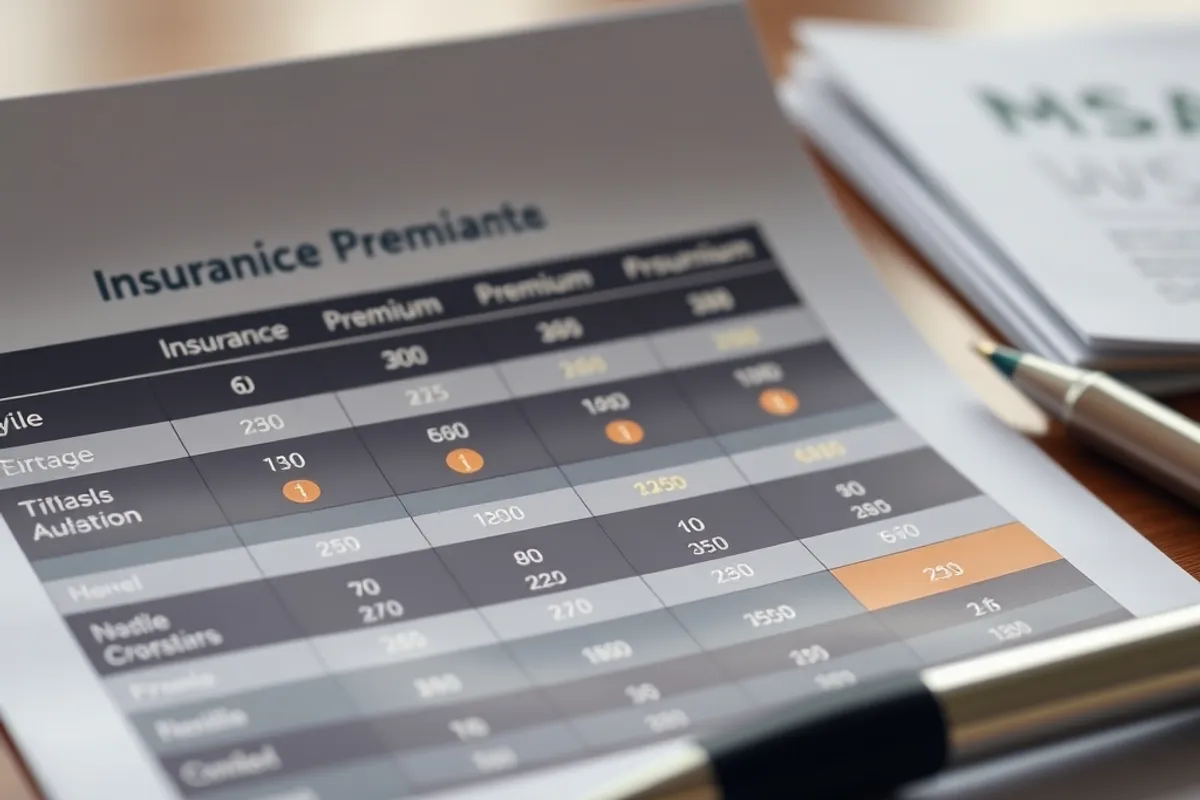
A risk class is a group of customers with similar expected losses. The premium reflects the group average plus expenses and a margin. Within a class, discounts and surcharges adjust the final price.
This is why two neighbours can pay different amounts. One may have a newer roof, a different claims history or a different deductible. The class explains the pattern; the details explain the difference.
Why property inspections matter
For property insurance, the physical condition of the building is central. Roof age, wiring, plumbing, heating systems and signs of maintenance all affect the expected cost of a claim.
An inspection is not a criticism of your home. It is a check on the information used to price the policy. Fixing a small issue before an inspection can sometimes prevent a surcharge or a coverage restriction.
A premium is a forecast. The more accurate the information you provide, the fairer that forecast is likely to be.
Claims history and behaviour
Insurers look at past claims because they are one of the best available predictors of future claims. A single large claim may matter less than a pattern of small ones.
Asking about a hypothetical claim before filing can be useful, but repeated enquiries may be recorded. Report incidents honestly and on time. A small claim that is covered may still raise future premiums, so compare the benefit with the long-term cost.

What can lower your premium
A higher deductible, a newer roof, security systems, bundling policies and a clean claims record can all reduce premiums. Improving the property risk often lowers the price more than shopping for a discount.
Ask which improvements the insurer recognises and whether they need proof. Do not reduce coverage just to lower the premium. The purpose of insurance is to transfer a risk you could not afford to carry yourself.
How to shop without guessing
Compare quotes with identical coverage, deductibles and limits. A cheaper premium with a much higher deductible is not the same product. Check the insurer reputation and the claims process, not only the price.
Ask what is excluded and how claims are paid. Read the policy summary before buying. A good broker can explain the trade-offs, but the final decision and the accuracy of the information remain yours.