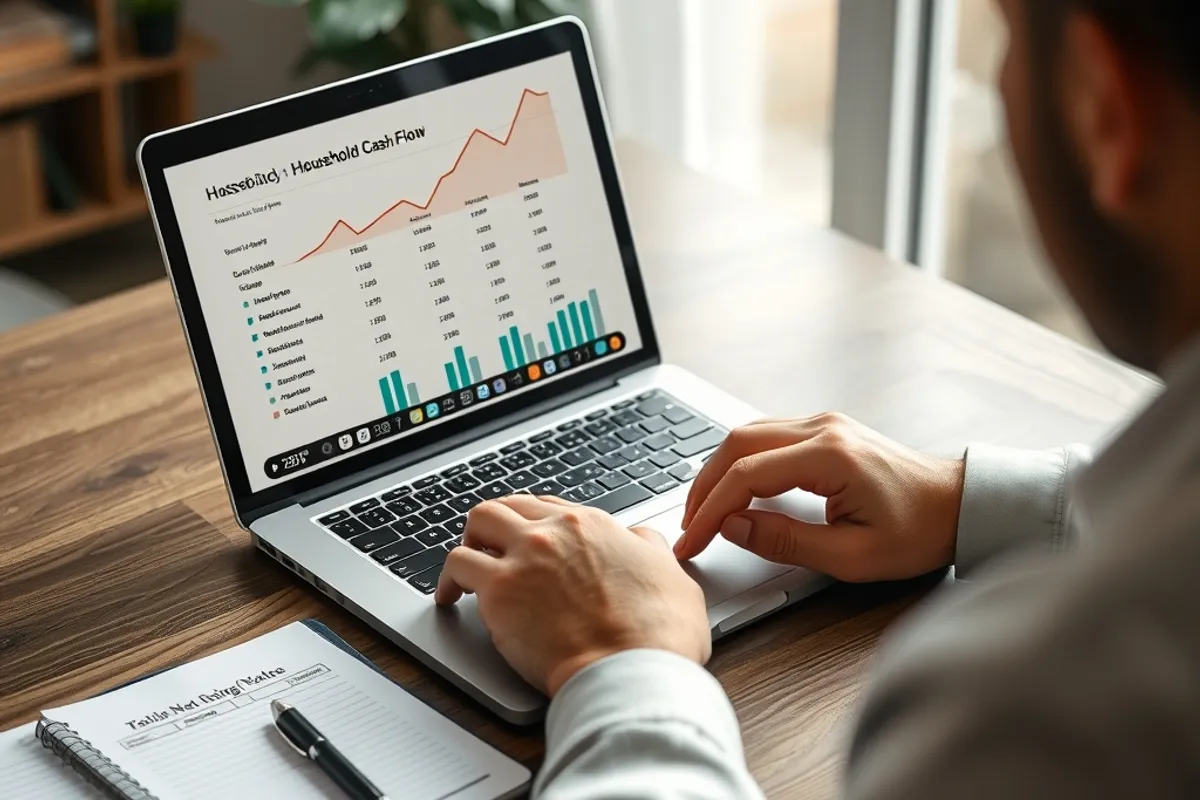
Automatic investing is simple: a fixed amount moves from your bank account into an investment on a schedule you choose. The simplicity is the point. It removes timing decisions, reduces emotional trading and makes progress independent of motivation.
It is not a guarantee of returns. Markets fall, and automated contributions fall with them. But the habit keeps you invested through the periods when discipline is hardest.
Key facts
- Fixed contributions reduce the risk of investing a large sum at the wrong moment.
- Low fees compound in your favour over long periods.
- Automatic transfers work best when the amount is sustainable.
- Rebalancing once or twice a year is usually enough for most portfolios.
Contents
- Why automation works
- Choosing the right account
- Setting an amount you can keep
- Dollar-cost averaging in practice
- Rebalancing without fuss
- Fees and taxes
- Common mistakes to avoid
Why automation works
Investing regularly reduces the chance that a single decision determines your outcome. It also removes the temptation to wait for a better entry point, which is usually a guess dressed up as analysis.
Automation turns investing into a background task. You still review the plan, but you no longer need to decide every month whether to contribute. That lowers the emotional cost of staying invested.
Choosing the right account
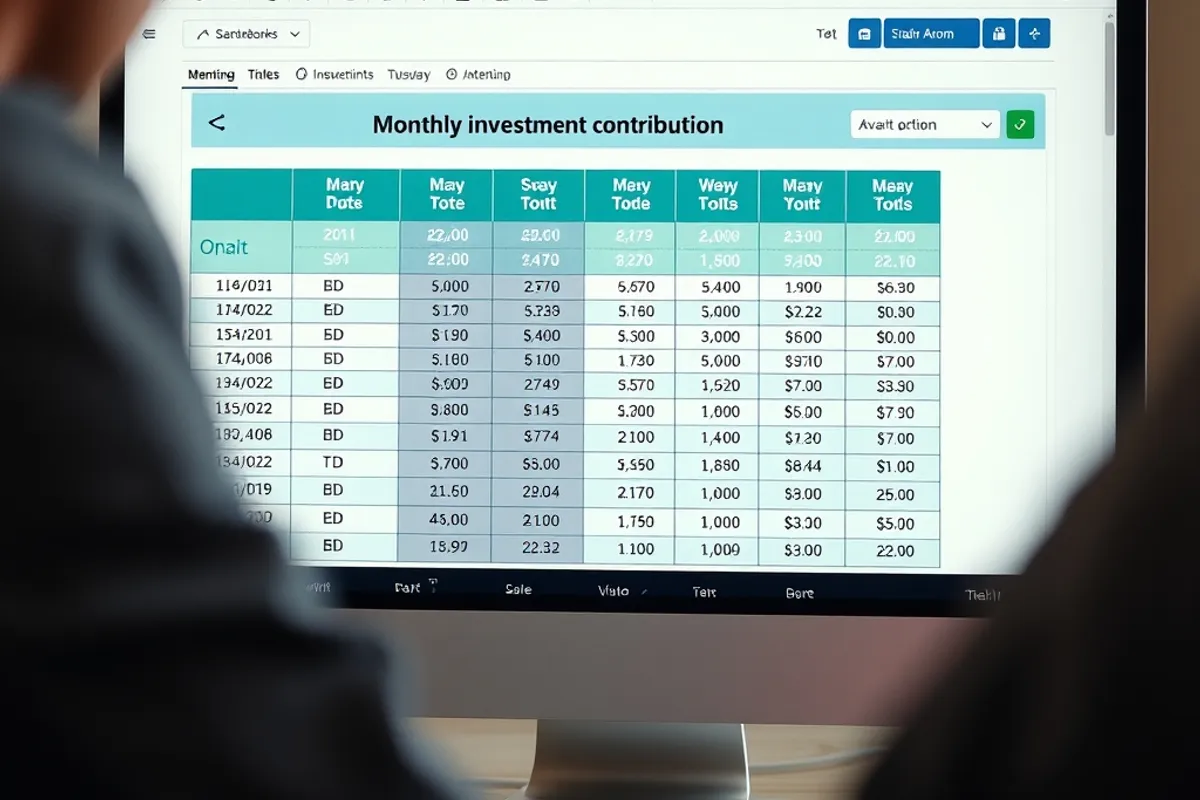
Use tax-advantaged accounts first if they are available and suitable for your goals. A retirement account is usually the default for long-term money, while a taxable account offers more flexibility for medium-term goals.
Check contribution limits, withdrawal rules and fees before opening an account. The account structure matters as much as the investment inside it, especially when taxes are considered over decades.
Setting an amount you can keep
Start with an amount that does not threaten your emergency fund or essential spending. A small automatic contribution that continues is better than a large one that is cancelled after two months.
Increase the amount with each raise or whenever a recurring expense ends. The goal is a contribution rate that grows alongside your income rather than one that stays fixed for years.
Dollar-cost averaging in practice
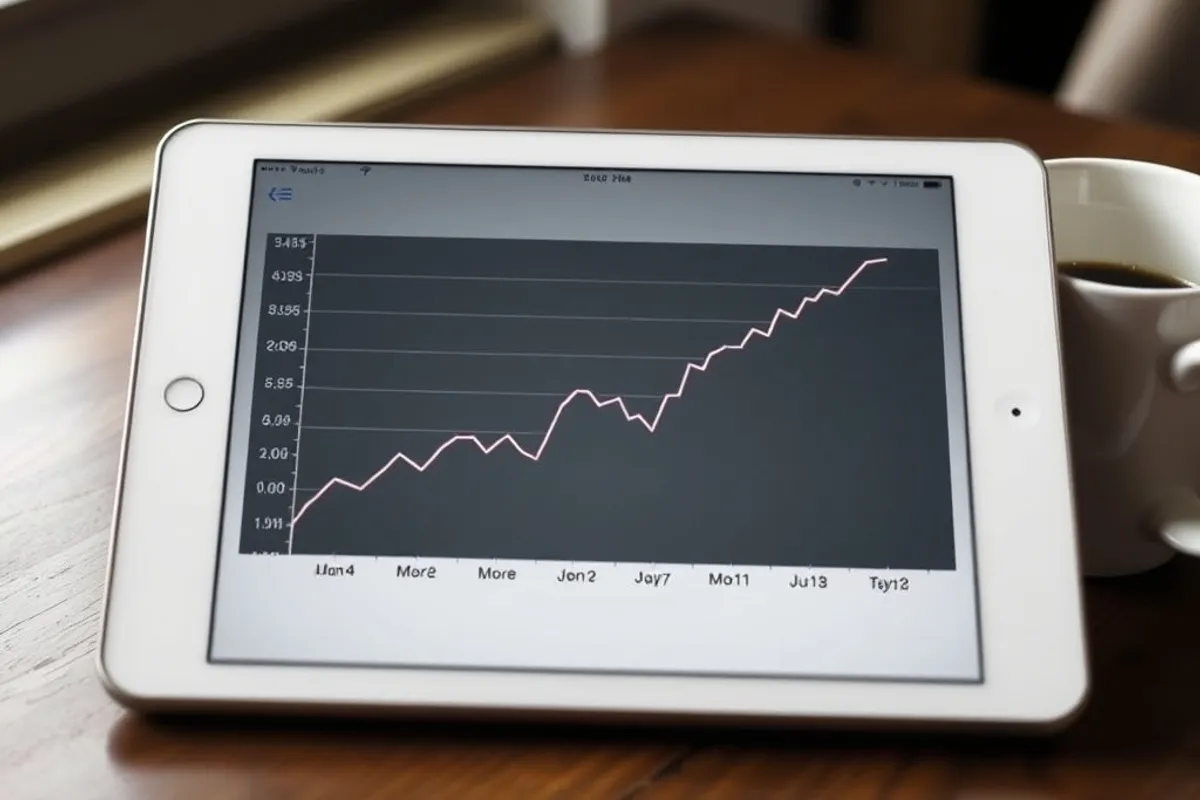
Dollar-cost averaging means investing the same amount at regular intervals. When prices are low, you buy more units; when prices are high, you buy fewer. Over time, the average cost smooths out.
It is not a strategy for beating the market. It is a practical way to invest regularly without needing to forecast. For most salaried investors, it is simply the natural result of investing from each paycheque.
The market rewards patience more reliably than it rewards prediction.
Rebalancing without fuss
Over time, stronger assets grow into a larger share of the portfolio. Rebalancing brings the mix back to your target, which controls risk and enforces a mild discipline of selling what has done well.
Once a year is enough for most people. You can rebalance with new contributions instead of selling, which avoids taxes and transaction costs. Perfection is unnecessary; direction is what matters.
Fees and taxes
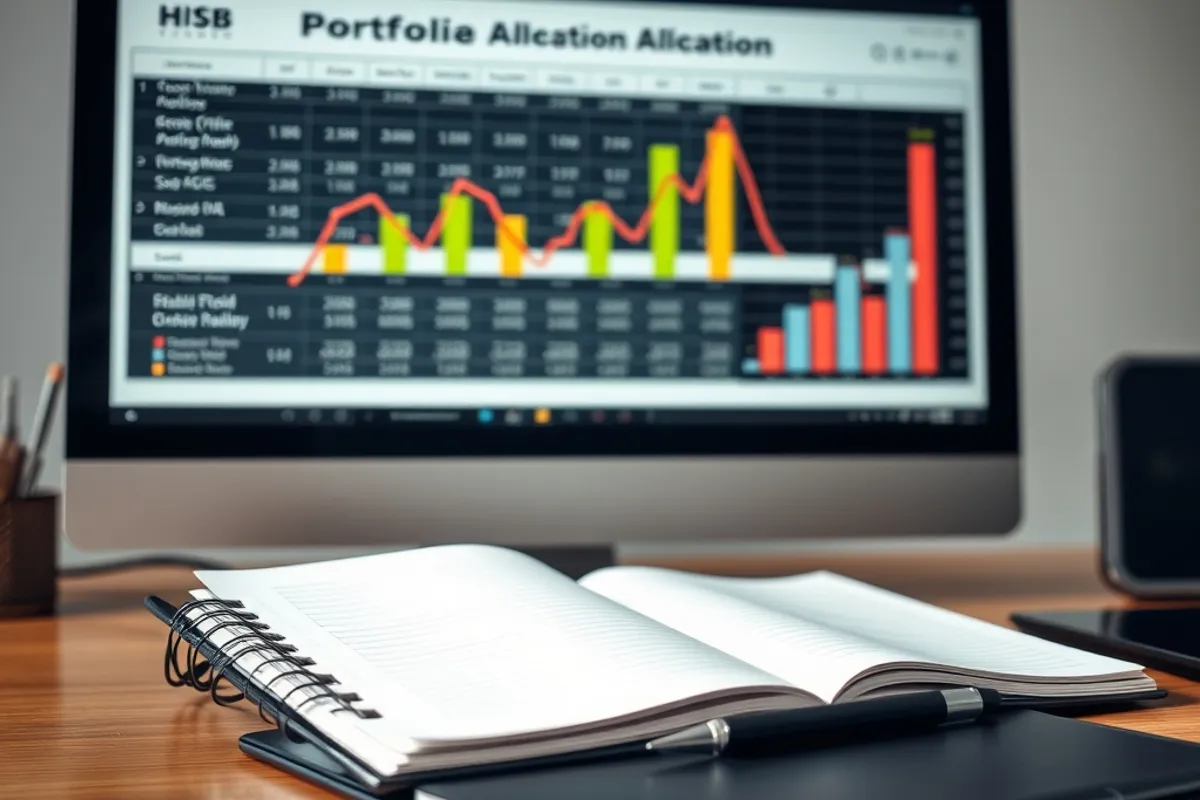
A fund fee of one percent may sound small, but it compounds against you over decades. Low-cost diversified funds are usually the most reliable starting point.
In taxable accounts, frequent trading can create taxes and reduce returns. Holding investments for the long term and rebalancing mainly with new money keeps the tax bill manageable.
Common mistakes to avoid
The most common mistakes are investing money needed soon, checking the portfolio too often and abandoning the plan during a decline. Another is choosing a complex product that is hard to understand.
Write down your plan and the reason for each holding. When markets are noisy, the written plan is a better guide than the latest headline. Automatic investing works because it keeps you moving when your confidence does not.