For years, venture capital concentrated in a handful of cities where founders, engineers and investors could meet without planning. Remote work and rising costs have weakened that logic, and money is slowly following talent into smaller markets.
The shift is real but uneven. Some regions have built the ingredients investors need: experienced operators, a university pipeline and a few visible successes. Others have talent without the support network that turns a promising company into a fundable one.
Key facts
- Remote hiring has widened the talent pool but not removed the value of local networks.
- Lower operating costs let startups reach milestones on smaller cheques.
- Regional funds often invest closer to home and take board roles.
- Investors still travel for high-conviction deals and hands-on support.
Contents
- Why geography is shifting
- Lower burn, longer runway
- The rise of regional funds
- What founders still travel for
- The diligence gap
- Building a local investor base
- What to watch next
Why geography is shifting
The cost of building software has fallen, while the cost of living in major hubs has not. A team that can hire engineers remotely and rent an office for a fraction of the price can stretch a seed round much further.
At the same time, founders are choosing cities where they want to live for reasons beyond work. Investors have noticed that companies with stable teams and lower burn often make better long-term decisions than those constantly chasing the next expensive hire.

Lower burn, longer runway
Runway is the number of months a company can operate before it needs more money. In expensive cities, a seed round can disappear into salaries and rent before a product is proven. In cheaper markets the same cheque buys more time and more experiments.
That does not make the business automatically better. It simply gives the team more chances to find a repeatable model. Investors care about the quality of those experiments, not the cost of the office.
The rise of regional funds
Many smaller markets now have funds that invest locally because they understand the ecosystem and can support companies in person. These funds often write smaller cheques but take a more active role in hiring, customer introductions and follow-on financing.
For founders, the trade-off is between a large cheque from a distant investor and a smaller one from a partner who can meet in person. The best answer depends on how much operational help the company actually needs.

What founders still travel for
Some parts of company building remain hard to do remotely. Closing a large round, recruiting a senior executive and landing a flagship customer usually benefit from being in the room.
Founders outside major hubs often plan a regular cadence of trips rather than a permanent move. A few well-prepared weeks in an investor city can be more productive than months of video calls, especially when trust is still being built.
Capital does not move because a city is cheaper. It moves because the odds of a strong outcome have improved.
The diligence gap
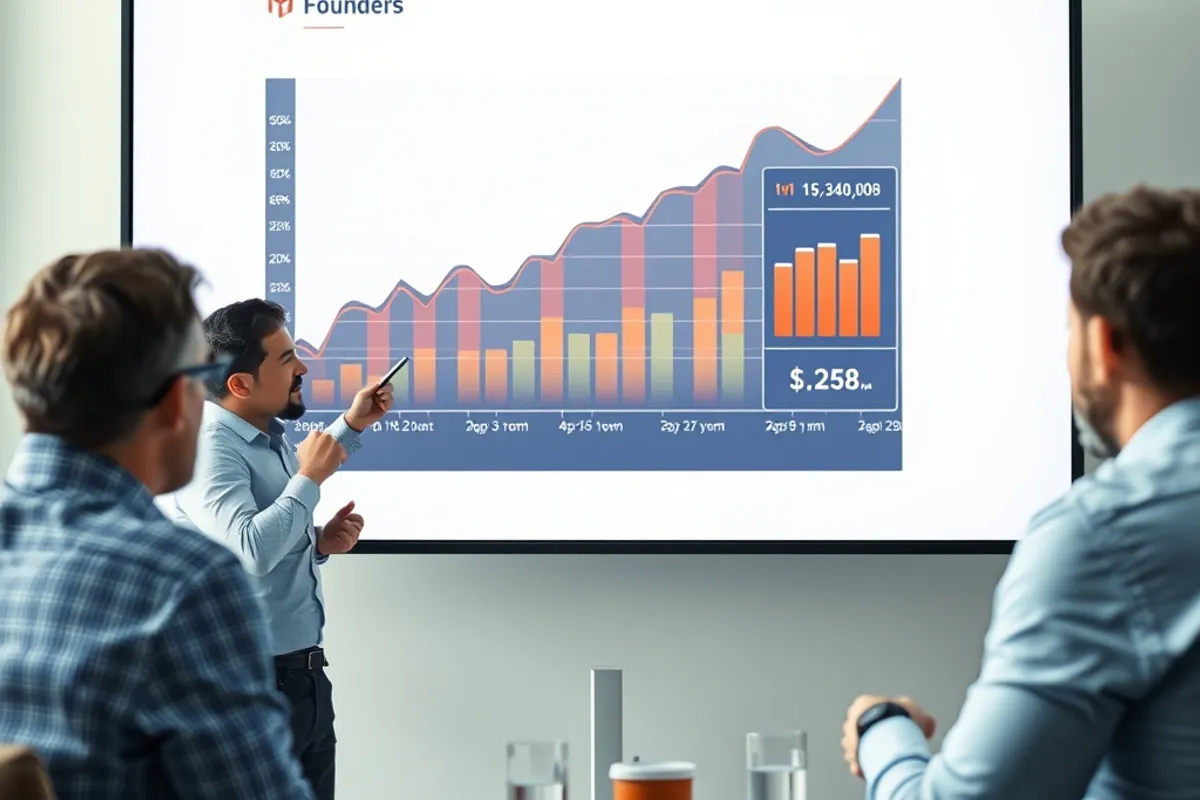
Investors who are less familiar with a region rely more heavily on references and verifiable metrics. Founders can close that gap by preparing clear evidence: customer retention, unit economics and a credible plan for the next round.
It also helps to build a local advisory network of lawyers, accountants and experienced operators. A strong local bench signals that the company is not isolated and reduces the perceived risk of investing at a distance.
Building a local investor base
Regional ecosystems grow through repeated interactions. Founders who mentor other founders, speak at local events and introduce investors to good companies create the trust that makes future funding easier.
That work is slow and rarely appears in a pitch deck. But it compounds. A city with a handful of successful exits and a culture of reinvesting time and money becomes a place where investors are willing to look twice.
What to watch next
Watch the follow-on rate, not just the number of first cheques. A region that can fund a company from seed to Series A is stronger than one that produces headlines but cannot support the next stage.
Also watch remote hiring data and office vacancy in smaller cities. Both are imperfect but useful signals of whether the shift is durable or simply a reaction to a temporary cost cycle. For founders, the practical takeaway is to build where you can hire well, then travel deliberately for the capital you need.