
Most people glance at the net figure on their payslip and move on. That number is the result of a chain of decisions: tax codes, benefit elections, retirement contributions and employer deductions. Understanding the chain is the difference between knowing your pay and guessing at it.
You do not need to become a payroll specialist. You need to recognise the main categories, check them once or twice a year, and know when a line looks wrong enough to ask about.
Key facts
- Gross pay is earnings before deductions; net pay is what reaches your account.
- Tax withholding depends on your declared status and can be adjusted.
- Retirement contributions may be pre-tax, post-tax or matched by an employer.
- Benefit deductions often change once a year during open enrolment.
Contents
- Gross pay versus net pay
- Taxes withheld
- Retirement contributions
- Health and insurance premiums
- Other deductions to inspect
- Spotting errors
- An annual payslip review
Gross pay versus net pay
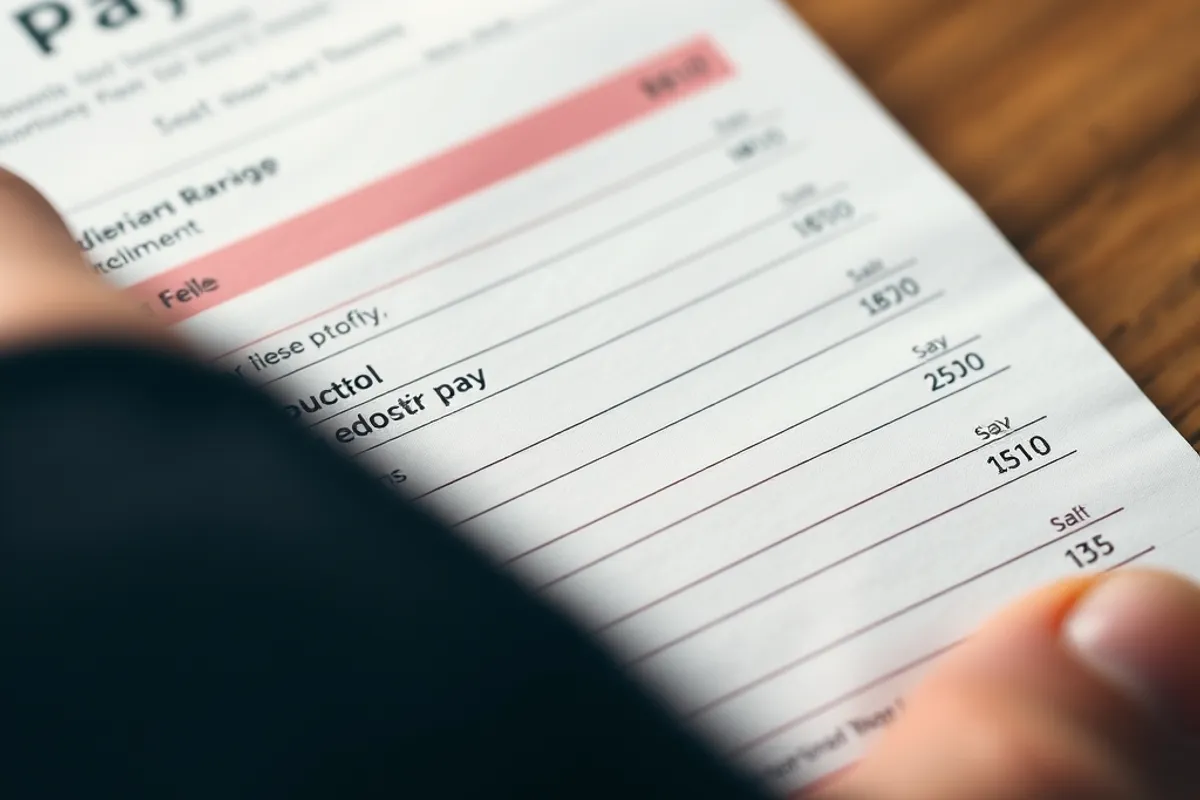
Gross pay is your earnings before anything is taken out. It includes base salary, overtime, bonuses and any taxable benefits. Net pay is what remains after taxes and deductions.
The gap between the two is not all tax. It also contains retirement savings, insurance premiums and voluntary benefits. Knowing how much of the gap is saving versus spending changes how you judge a job offer.
Taxes withheld
Income tax, social insurance and local taxes are usually withheld at source. The amounts depend on your income, filing status and the forms you submitted to your employer.
A large refund at the end of the year usually means too much was withheld. That is an interest-free loan to the government. A small refund or a modest bill is a sign that withholding is roughly right.
Retirement contributions
Retirement contributions may reduce taxable income now or grow tax-free later, depending on the plan. Employer matching is part of your compensation, so check that you are contributing enough to receive the full match.
If the contribution line is zero, you are leaving both tax advantages and free employer money on the table. Even a small percentage increase can matter more than a pay rise of the same size, because it compounds over decades.

Health and insurance premiums
Health, dental, vision and life insurance are often deducted from pay. The employee share is only part of the total cost; employers usually cover the rest.
During open enrolment, compare the premium with the deductible, co-payments and network. A lower premium can be more expensive overall if you need regular care. Keep the plan documents somewhere you can find them.
A payslip is a receipt for your time. Read it the way you would read any other receipt.
Other deductions to inspect
Union dues, professional fees, charitable giving, commuter benefits and wage garnishments can all appear on a payslip. Each should have a clear description and a reason.
Recurring deductions are easy to forget. A benefit you no longer use may still be costing you every month. Review the list once a year and cancel what no longer earns its place.

Spotting errors
Common errors include the wrong tax code, missing overtime, duplicate deductions and benefits that were cancelled but still charged. Compare your payslip with your contract and the previous month.
Raise issues in writing and keep a copy. Payroll teams are usually helpful, but a paper trail protects you if the correction takes time. If the error affects tax, ask for an adjusted statement.
An annual payslip review
Once a year, check your total gross pay against your contract, confirm your tax status, review retirement contributions and compare insurance elections with what you actually use.
Also check that your emergency fund and budget reflect your net pay, not your gross salary. A raise that is absorbed by a new deduction may not change your monthly cash flow at all.